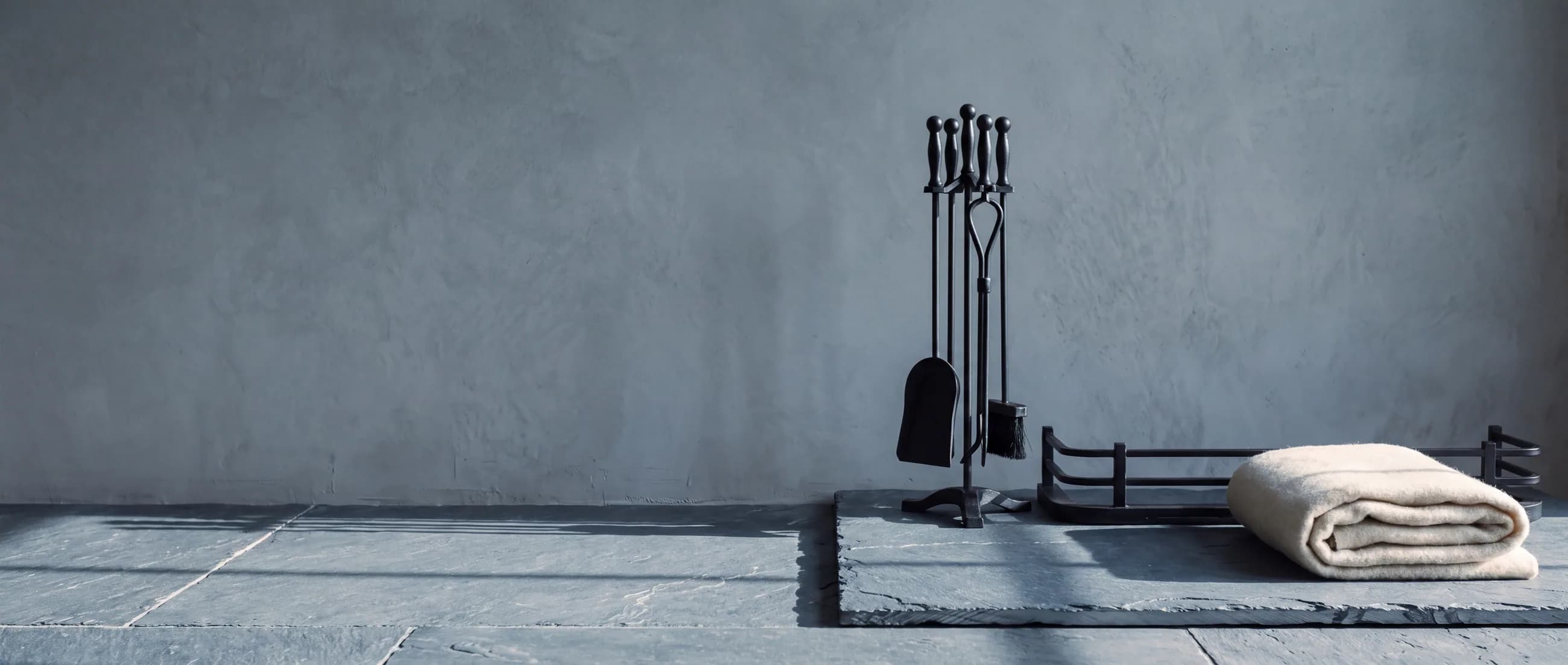

Hearth goods · Est. in cold rooms
We print the part
that wears out first.
Fire tools, cast iron and undyed wool for a house with a fireplace in it. Every piece publishes a service life in years, the part that goes first, and whether we stock it — because a hearth set you re-handle at year fifteen is a different purchase from one you replace.
All prices are shown and charged in US Dollars (USD).
The service life mark
Every object here tells you how it will fail.
Not a slogan about quality. Three facts, printed on the page and struck on the piece: roughly how long it lasts in ordinary household use, the specific part that goes first and where on it, and whether we keep that part on the shelf.
It is the opposite shape from a marketing promise, because it commits us to something you can check. A broom whose head is worn out at year seven is a broom that needs a $16 head, not a new broom — and saying so out loud is the only way that stays true when we would rather sell you the broom.
A service life figure is an estimate of household service life. It is not a warranty — that is separate, and it is in the terms.
| Piece | Service life | Wears first | Part stocked |
|---|---|---|---|
| Cast Fire Back | Lifetime | Nothing. A fire back is one casting and its whole job is to be the thing that takes the heat. | No part to stock |
| Cast Trivet | Lifetime | Nothing. This is a single casting with no parts. | No part to stock |
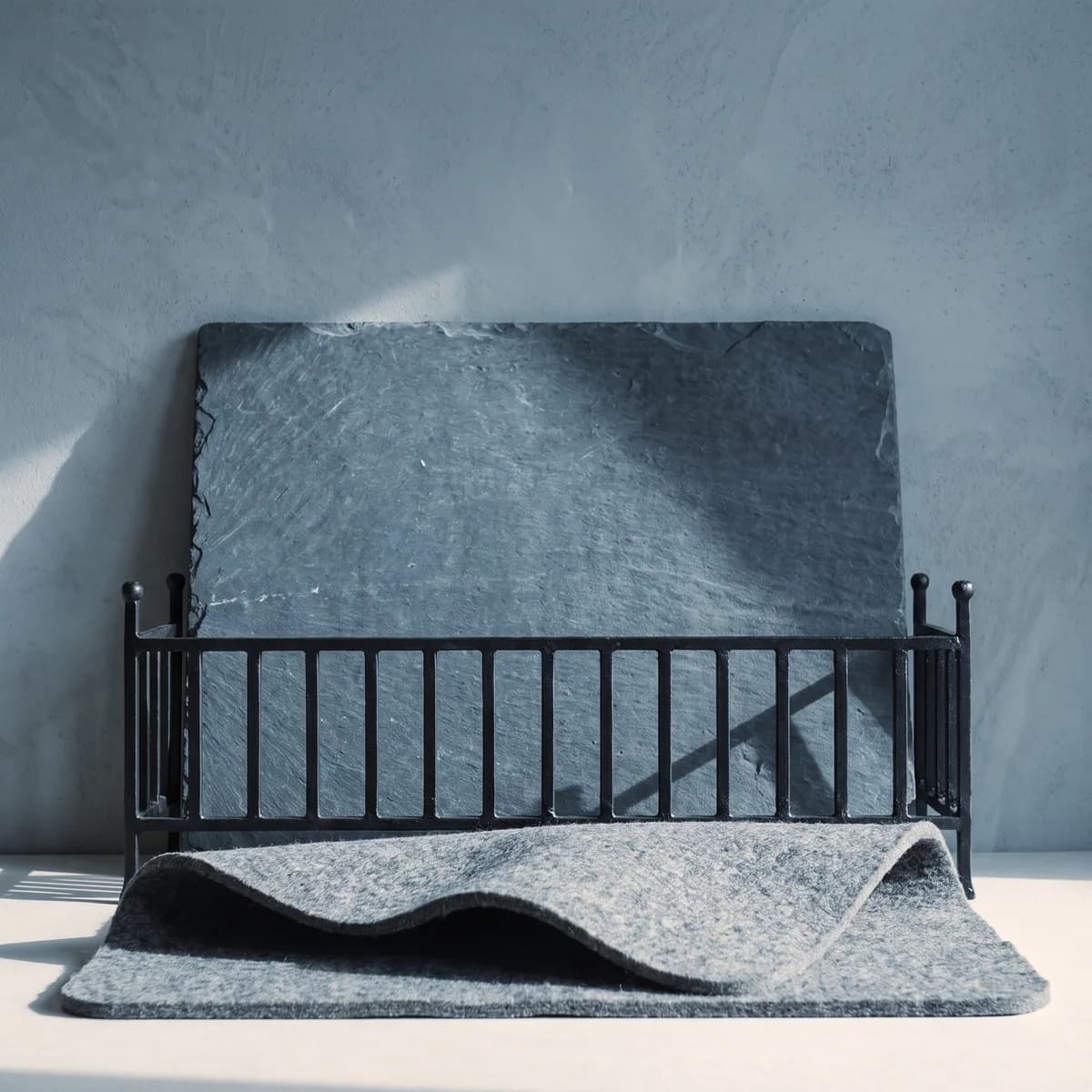
| Riven Slate Board | Lifetime | The felt on the underside, which compresses and can be re-felted. | Yes |
| Hearth Broom | Re-parted | The horsehair, at the leading edge. Expect visible wear at year six to eight of daily winter use. | Yes |
| The Hearth | Re-parted | The broom head in the tool set — the shortest-lived part of the shortest-lived piece, at roughly year eight. | Yes |
Longest-lived first. The bottom two rows are the consumables — they are in this table for the same reason they are on the product page.
Year eight, year twelve, year fifteen
This is what you are buying.
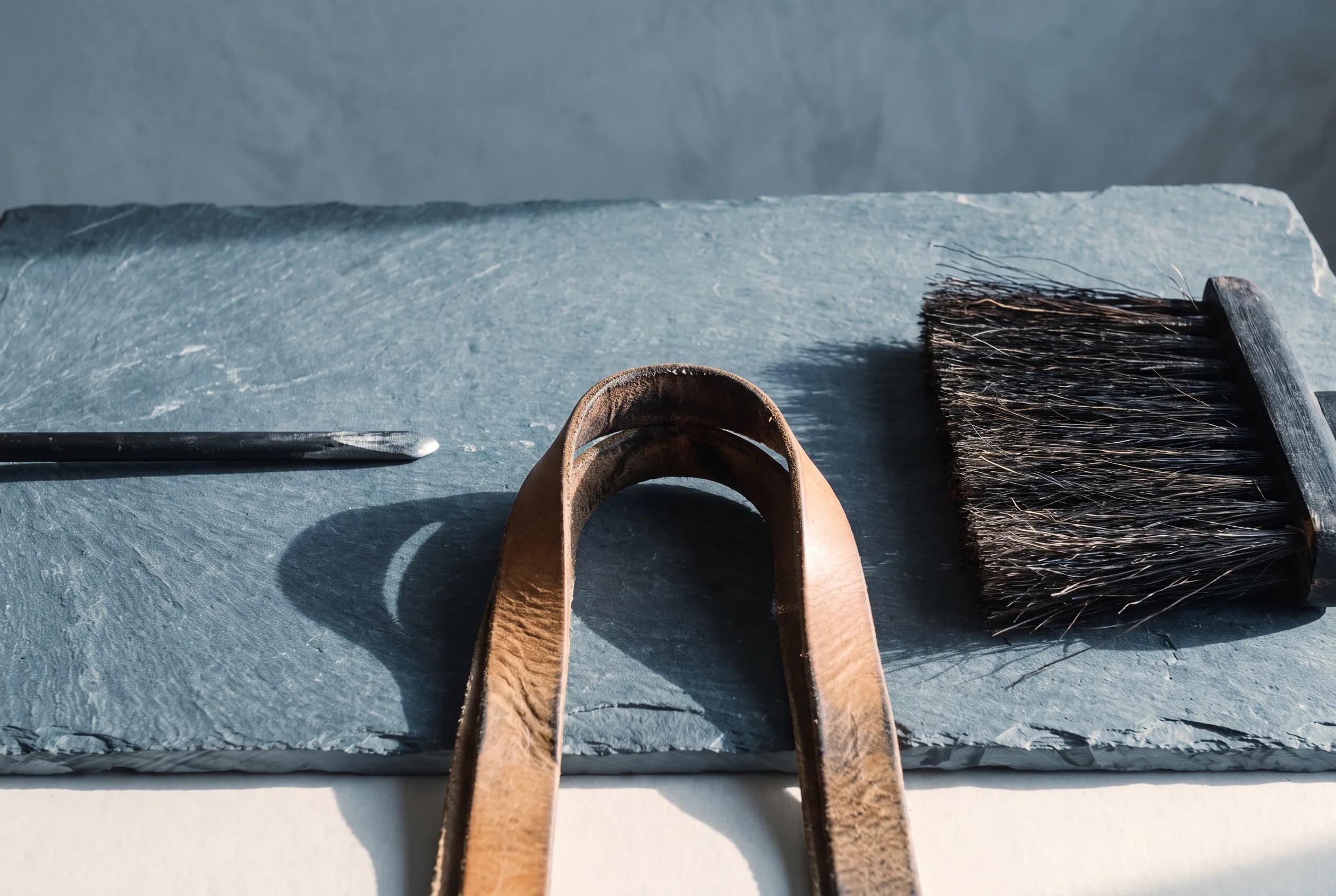
A poker tip worn back to bright graphite. A carrier handle gone dark and deeply creased where it folds. A broom head short and uneven along its leading edge.
None of that is damage. Black oxide lightens with heat, bridle leather darkens with handling, horsehair wears against stone — and a customer who was not told to expect it reasonably concludes the thing arrived defective.
So we photograph it. The finishes on everything here are meant to change, and the pieces are pinned, tacked, riveted and welded rather than glued so that when a part finally goes, it is a part.
The catalog
Eight groups, 27 pieces.
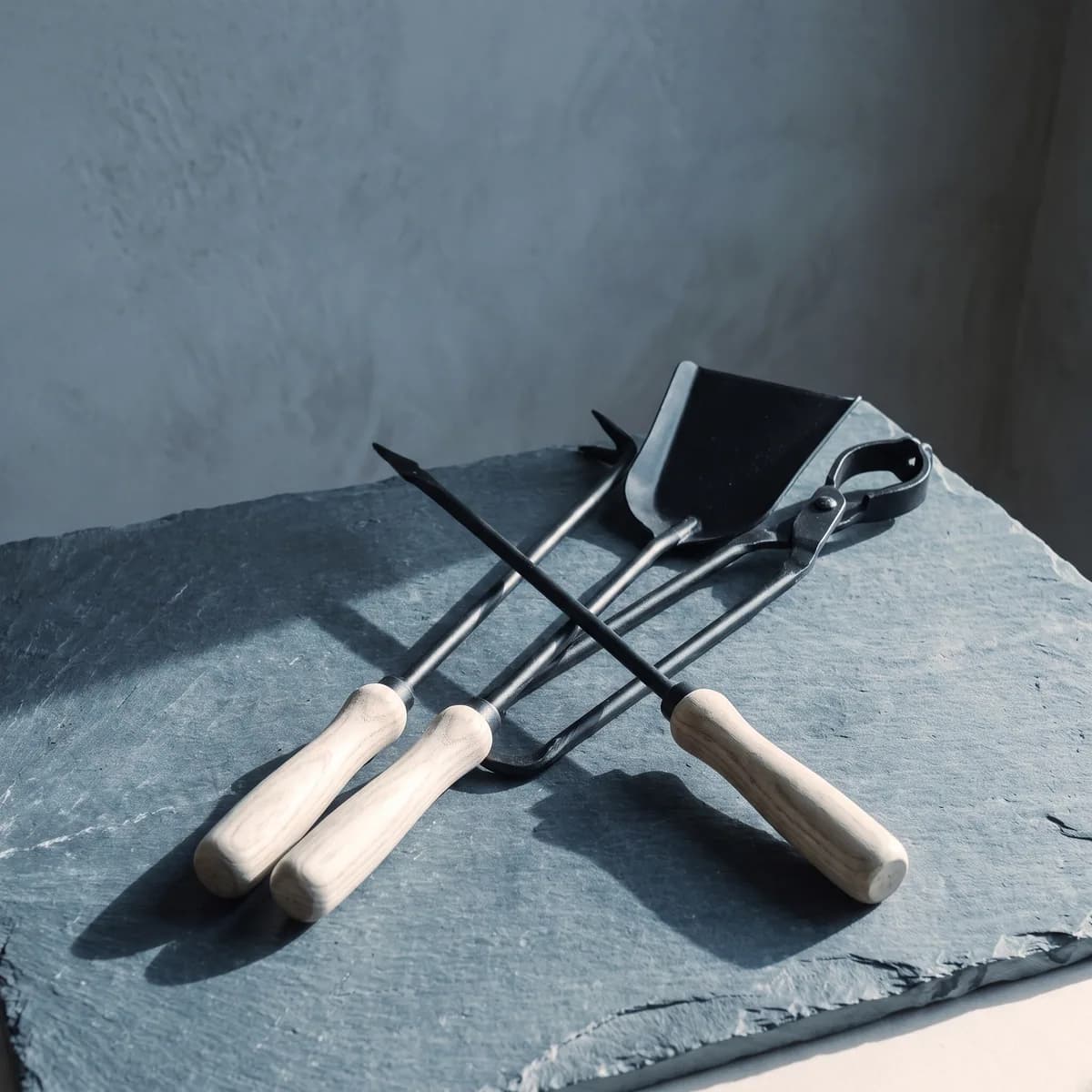
Fire Tools
Blackened steel with ash handles, hung or standing. Long enough to reach the back of a firebox without leaning in, heavy enough that the poker does the work instead of your wrist.
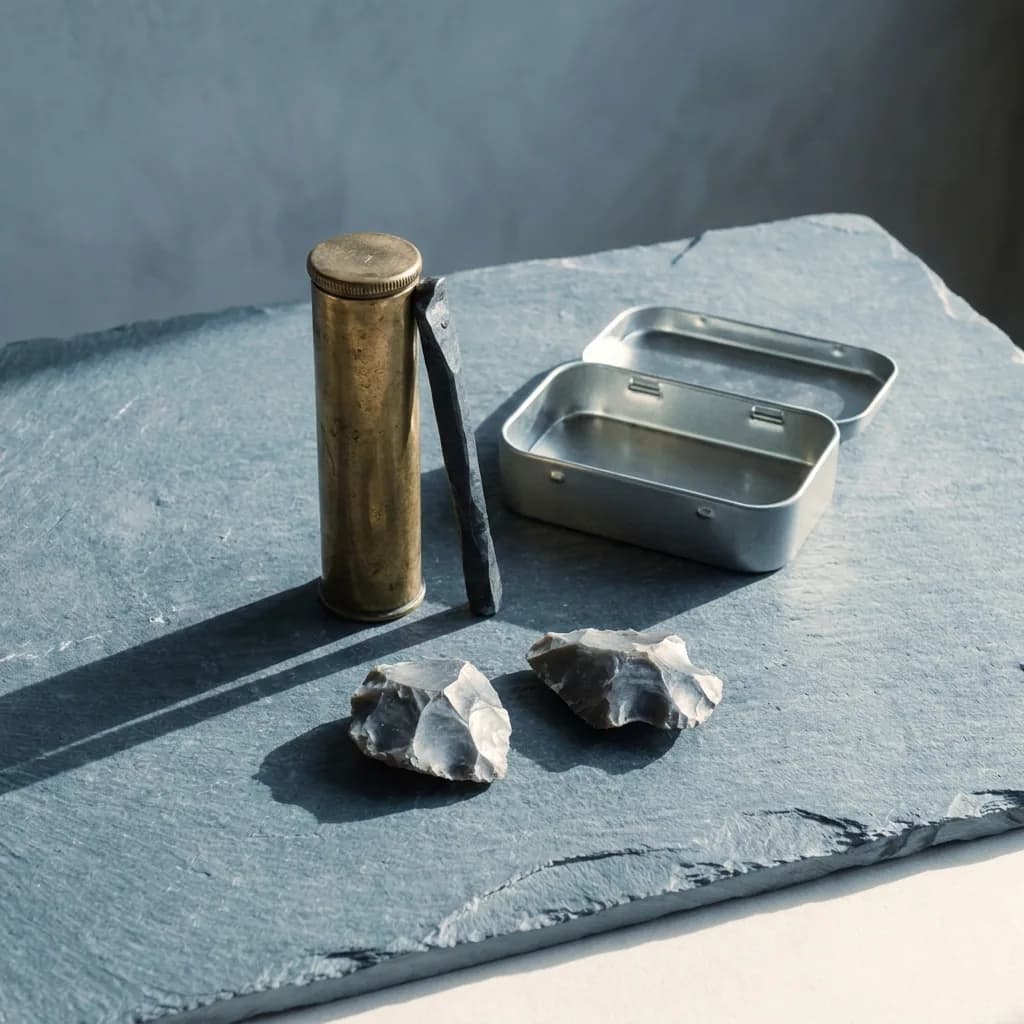
Fire Making
The small things that live on the mantel. Match safes, strikers and kindling stores in brass and steel, sized so a box of long matches actually fits.
Cast Iron
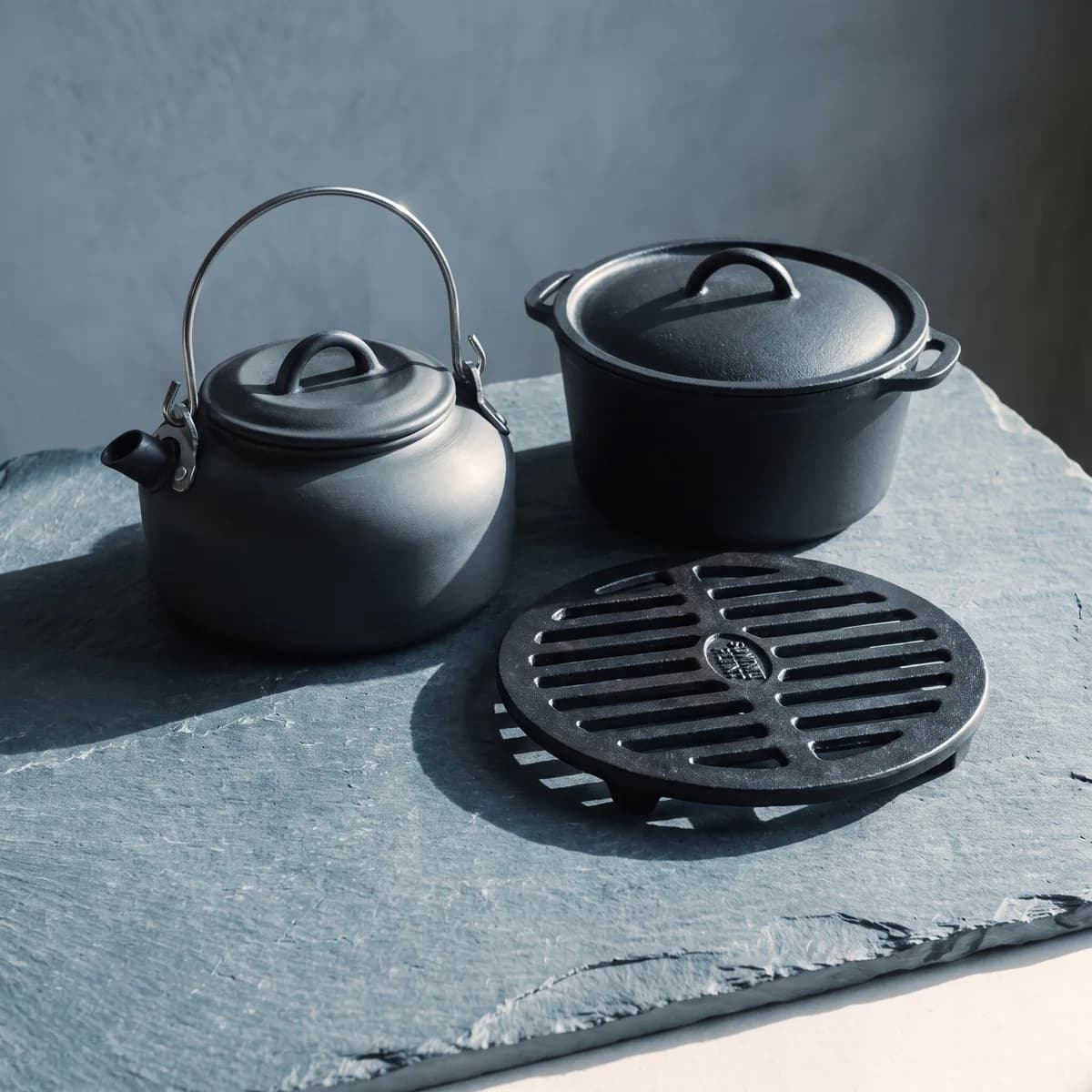
Sand-cast, seasoned or enamelled, made for a hearth rather than a hob. Nothing in this group has a part that can fail; kept dry, they are the longest-lived things we sell.
Hearth Surfaces
Slate boards, steel trivets and hearth mats — the layer between something very hot and something you would rather not replace.
Wool & Sheepskin
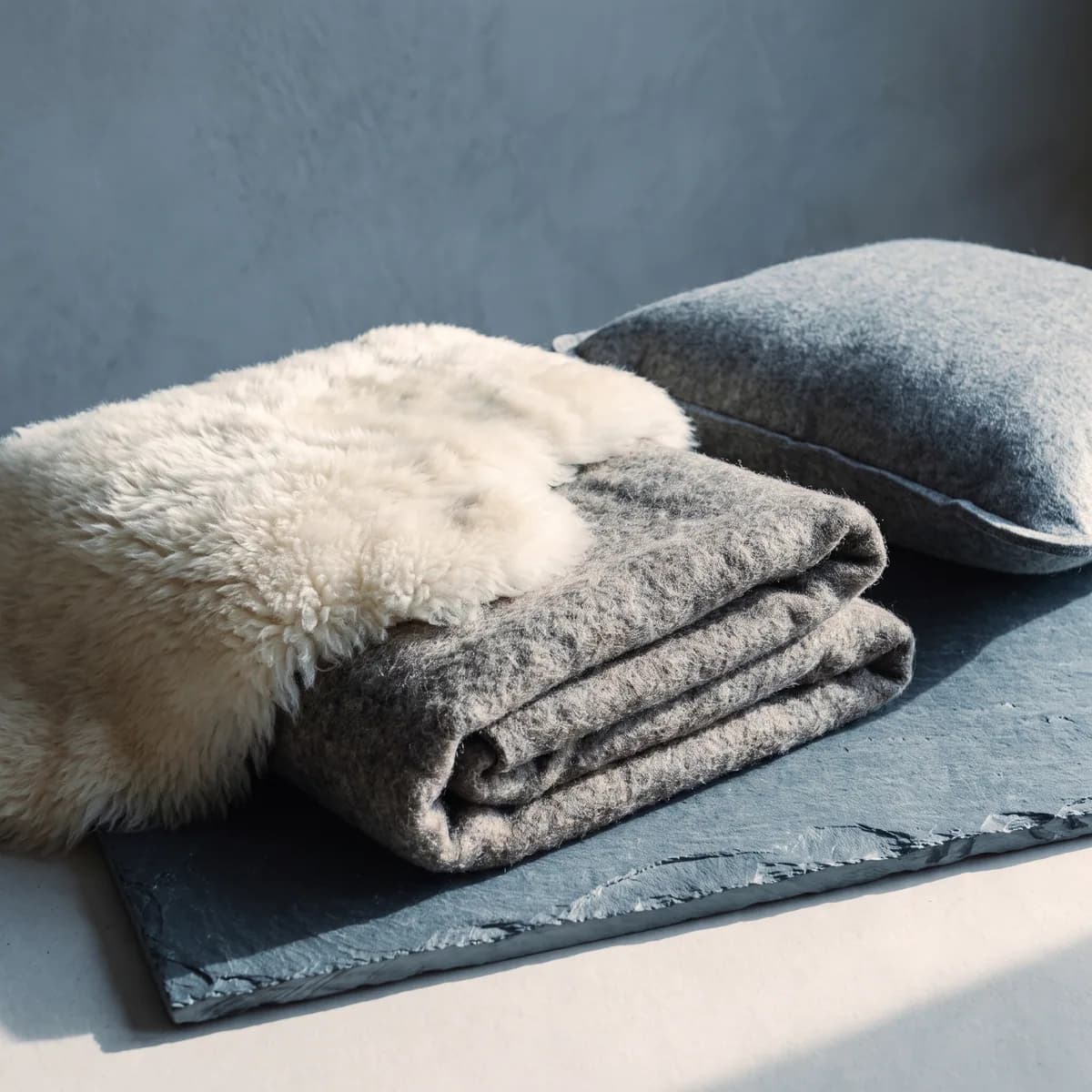
Undyed heavyweight wool and full sheepskin, woven and tanned without dye. Warm, heavy, repairable, and better at year ten than year one.

Light
Brass and steel lanterns and holders for the light you want when the fire has burned down. Wicks and glass are stocked separately.
Carry & Store
Log carriers, kindling totes and racks in waxed canvas, bridle leather and blackened steel. The seams and the sling are the wear points, and both are replaceable.
Sets
Complete hearths, costed below the sum of their parts. Every set states the service life of its shortest-lived piece rather than its longest — the honest number, not the flattering one.
Start here
The four we would buy first.
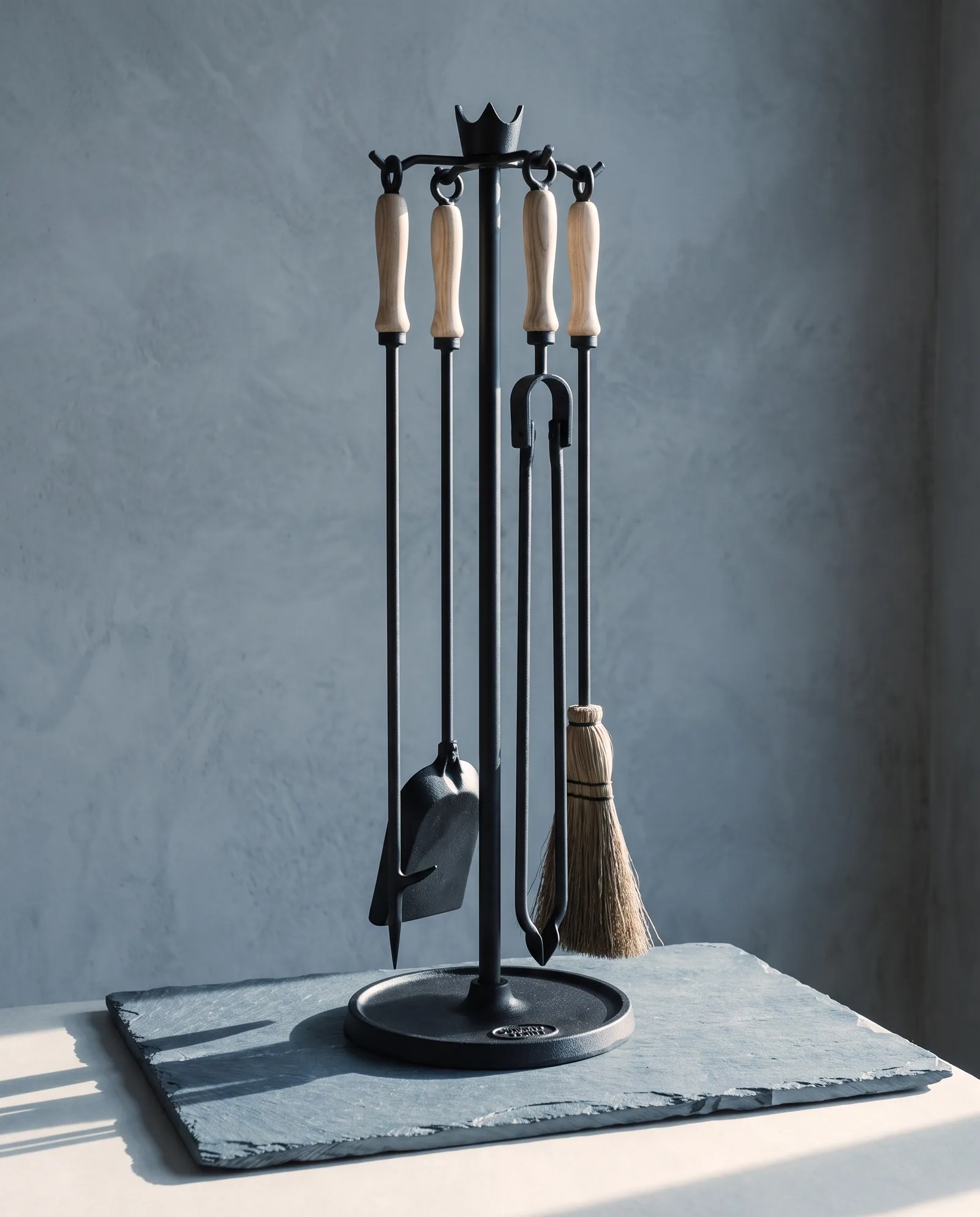
The Hearth Tool Set
Poker, shovel, broom and tongs on a standing rack
Wears first — The horsehair on the broom head, at the leading edge where it meets the hearth.
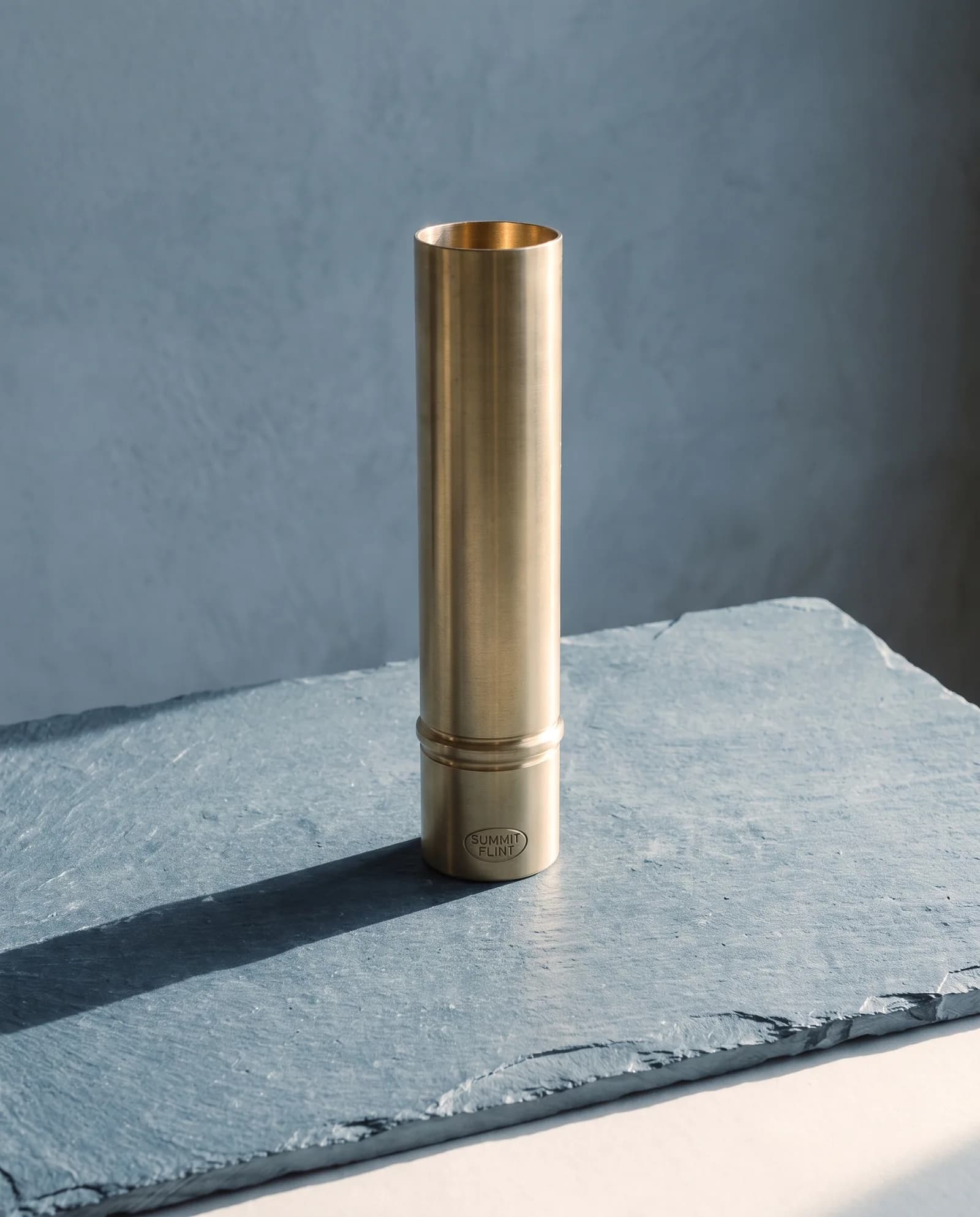
Brass Match Safe
Unlacquered brass, sized for long matches
Wears first — The striker strip on the base, which is a consumable and is replaceable.
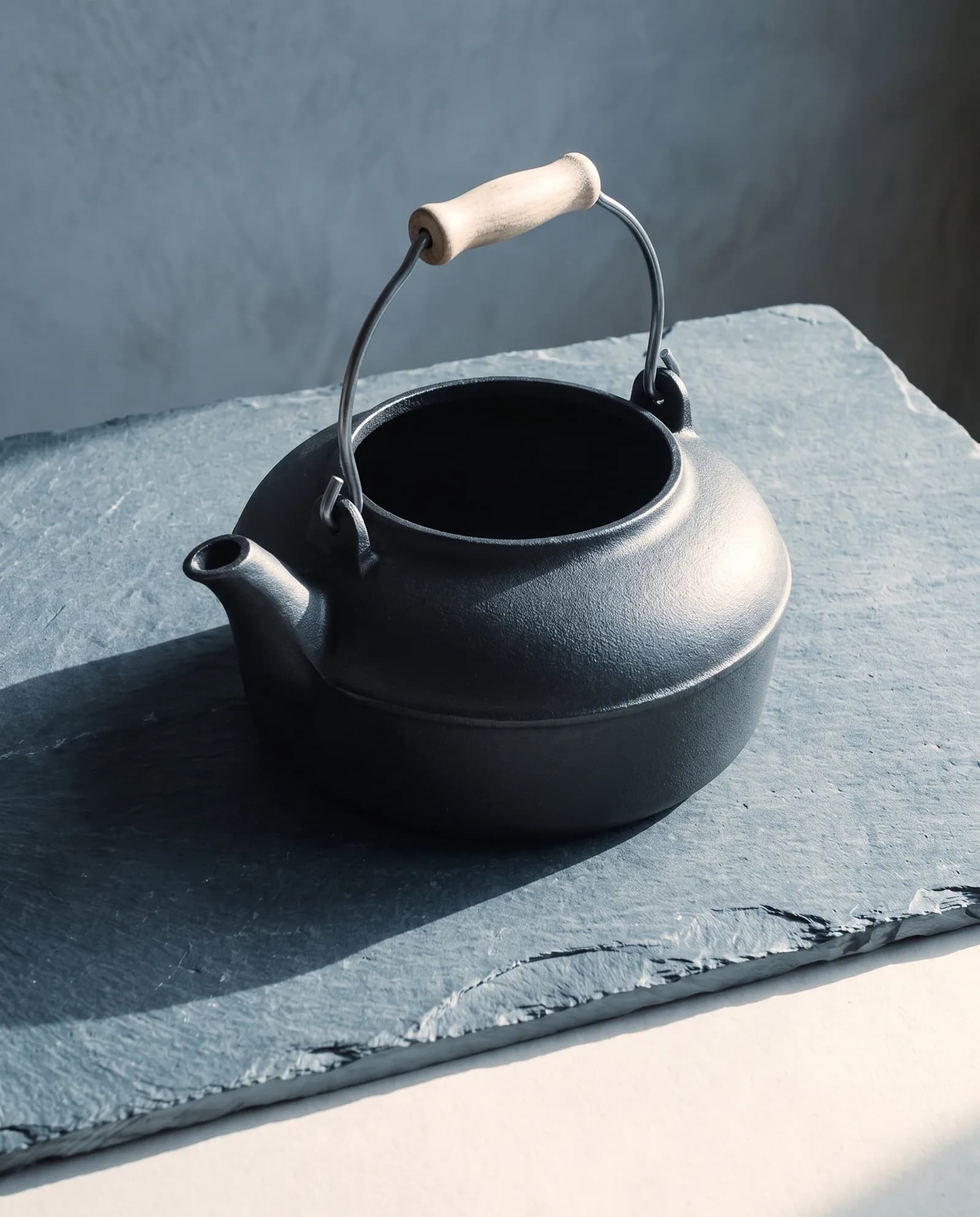
Hearth Kettle
2 litre, enamelled interior, hanging bail
Wears first — Nothing that fails. The exterior enamel can chip if it is dropped on stone.
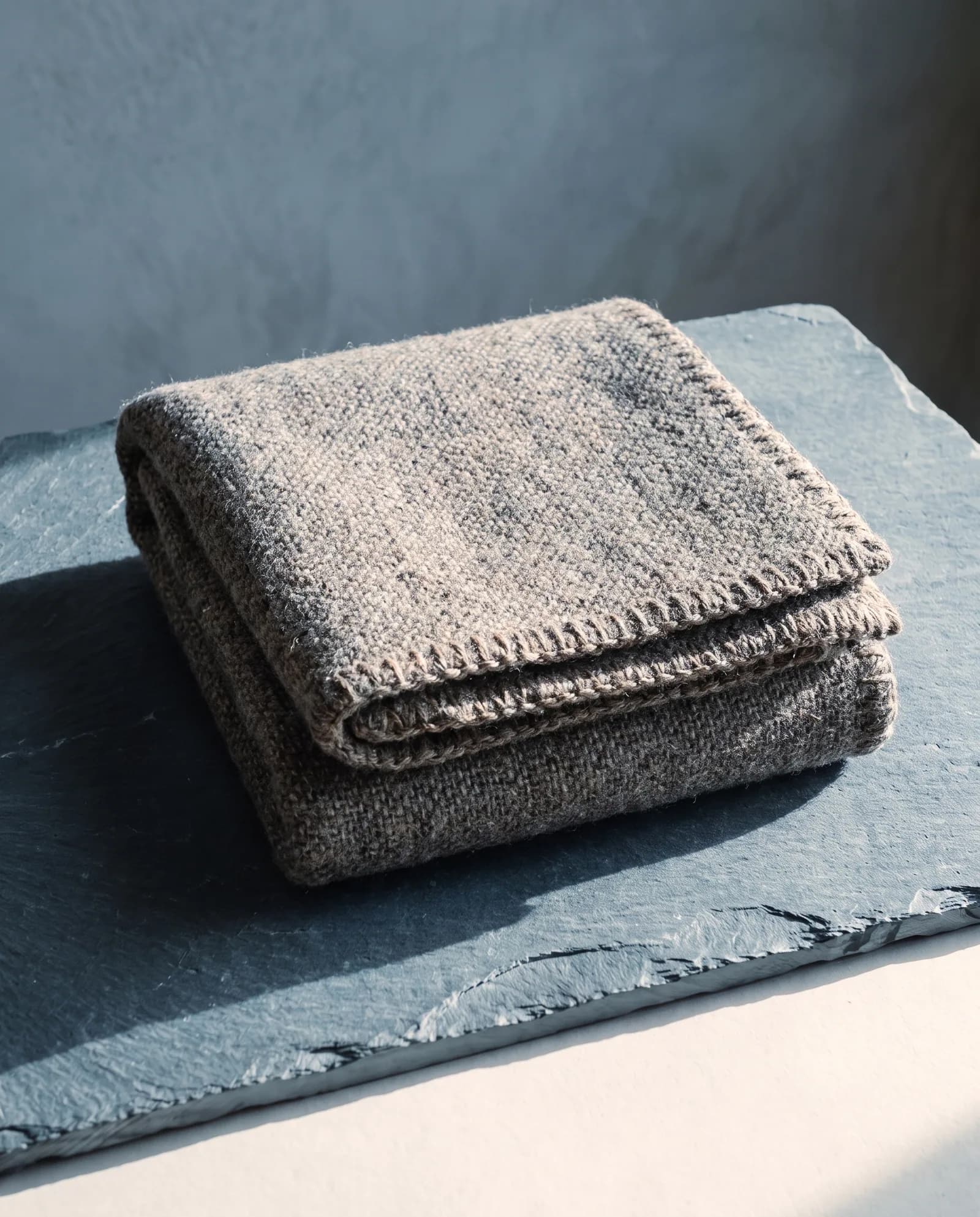
Undyed Camp Blanket
Heavyweight single-flock wool, whipped edge
Wears first — The whipped edge at the corners, where it is gripped and dragged.
Why a set quotes its worst part
The Hearth is a thirty-year object that says eight years.
The fender and the tools are 25-to-40 year steel. The trivet is a lifetime casting. The set publishes Re-parted anyway, because the broom head in the tool set — the shortest-lived part of the shortest-lived piece, at roughly year eight.
Quoting the longest-lived part of a set is how a number stops meaning anything. So we quote the shortest, and we stock the part.